01 / FIELD DEVICES
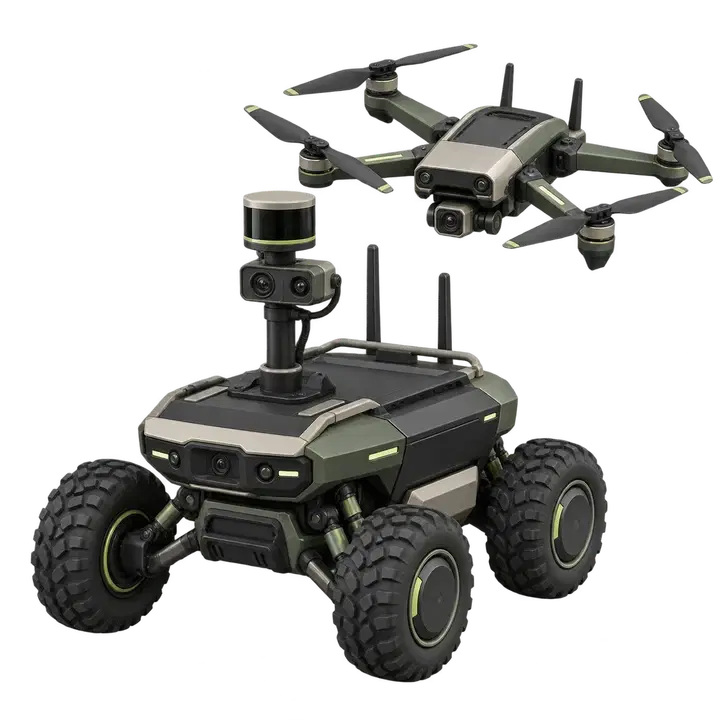
Bring capabilities together
Devices contribute supported functions—movement, sensing, transport, and manipulation—along with video, location, and sensor data.
AI-coordinated teamwork for the next generation of defense operations.
CoForce is in development to coordinate sensing, movement, transport, and manipulation across different robots under human-defined objectives and authority. Field conditions and results inform what happens next.
CoForce connects field devices, mission services, and operator tools around a shared objective. Its design brings role coordination and shared information to manned-unmanned teaming (MUM-T), helping different devices work together under human direction.
Devices contribute supported functions—movement, sensing, transport, and manipulation—along with video, location, and sensor data.
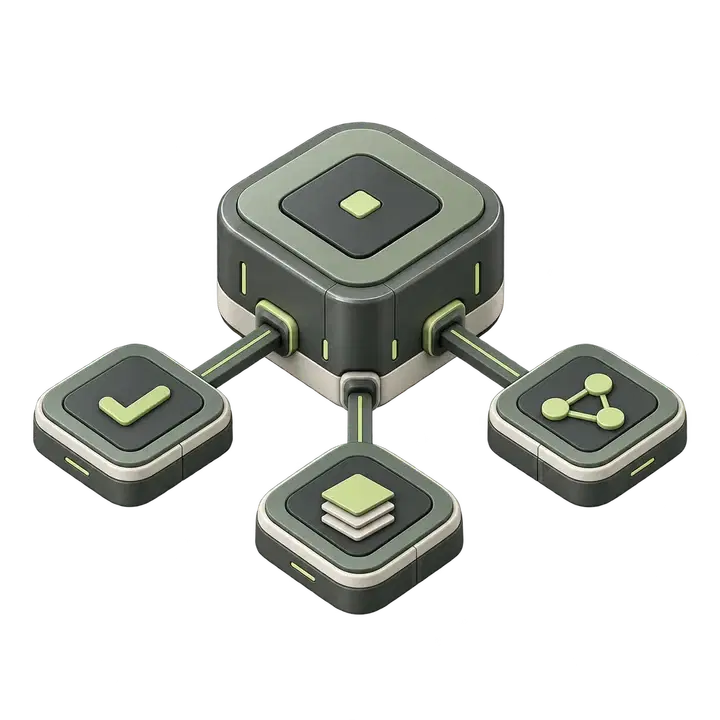
Mission services coordinate task order and dependencies across devices, using each result to inform what happens next.
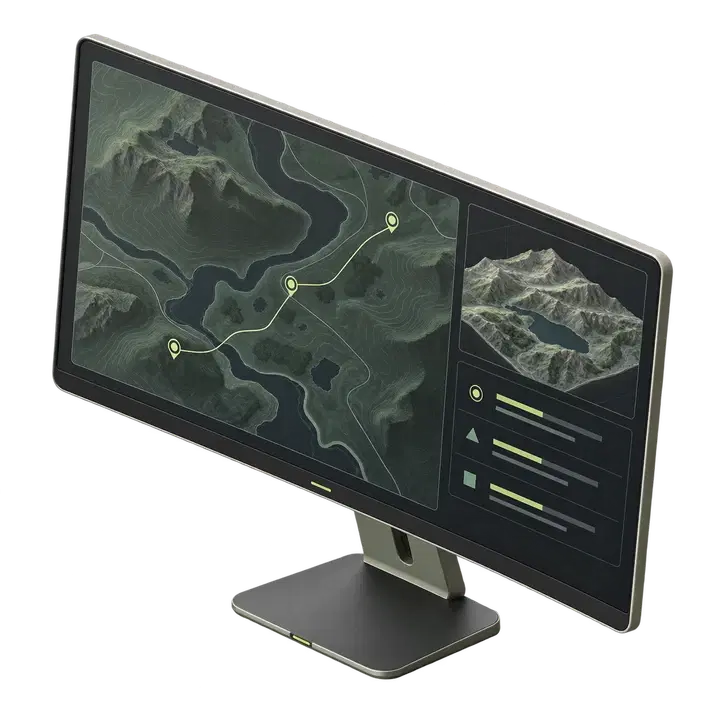
Operators review device locations and task progress in one place, with controls to approve, change, or cancel work.
CoForce is designed to add new tasks and robot teaming capabilities through software, with changes tested in simulation and field trials before use. This is its approach to software-defined warfare (SDW).
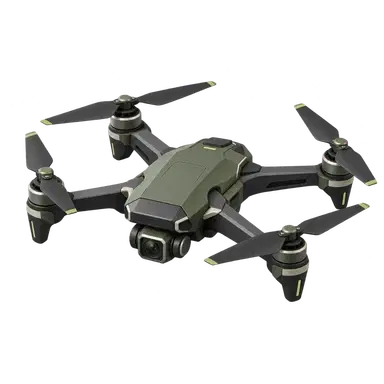 Air systems · UAV / UAS
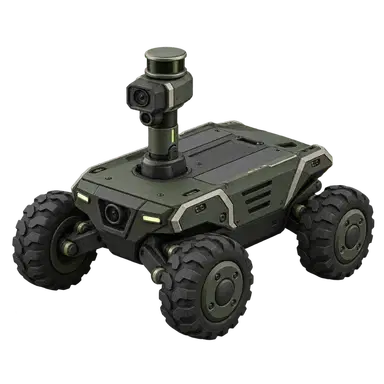 Ground systems · UGV
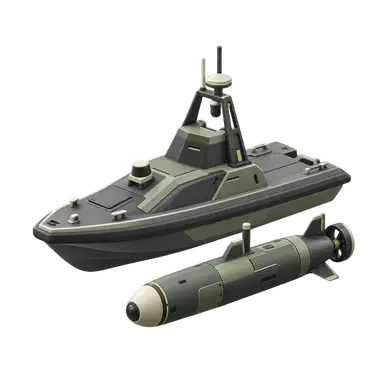 Surface & underwater · USV / UUV
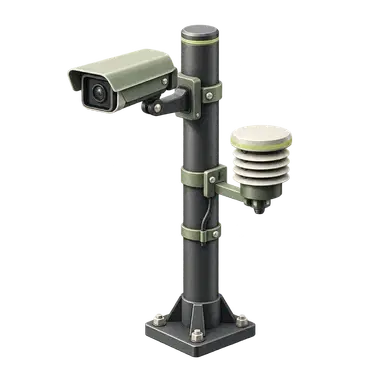 Fixed sensors & observation
Mission agents propose assignments and task order using device capabilities and current status. Onboard AI assesses local execution conditions. Operators set objectives and approval rules: a human-machine teaming (HMT) approach with clear roles.
Roles are assigned around device capabilities and availability, helping operators bring the right capabilities to the mission.
The system accounts for task dependencies and shared resources, coordinating handoffs so operators can focus on the overall workflow.
CoEgent, the device-side AI, shares status and execution constraints. When work cannot proceed as requested, that feedback informs the next assignment or sequence.
Operators set objectives and approval conditions. The system is designed to distinguish delegated work from decisions requiring human input, with options to change or cancel tasks.
Mission agents coordinate the team. CoEgent assesses each request onboard, using device and field conditions. The two roles exchange tasks, status, and results.
When a device reports that work cannot proceed, mission agents reassess task order and assignments.
CoForce connects observation, understanding, decisions, and action. AI helps operators make sense of the field and plan tasks. Results from different devices feed the next decision.
Operators set objectives and limits, approve or adjust plans, and intervene when needed.
Observation and interpretation continue during execution. Progress, outcomes, and field changes inform revised plans and assignments within operator-defined objectives and approval rules.
Share video, location, and status so operators and AI can work from the same field information. Observations from intelligence, surveillance, and reconnaissance (ISR) feed this workflow.
AI combines observations with mission context to highlight important changes. A common operational picture (COP) brings device locations, observations, and task progress into one view for operator judgment.
The mission agent proposes tasks and assignments based on objectives, device capabilities, and current conditions. Operators approve or adjust the plan. Automated actions stay within predefined authority and policies.
CoEgent, the device-side agent, checks field conditions and connects tasks to device control and autonomy. Each device reports progress, results, and conditions that prevent execution.
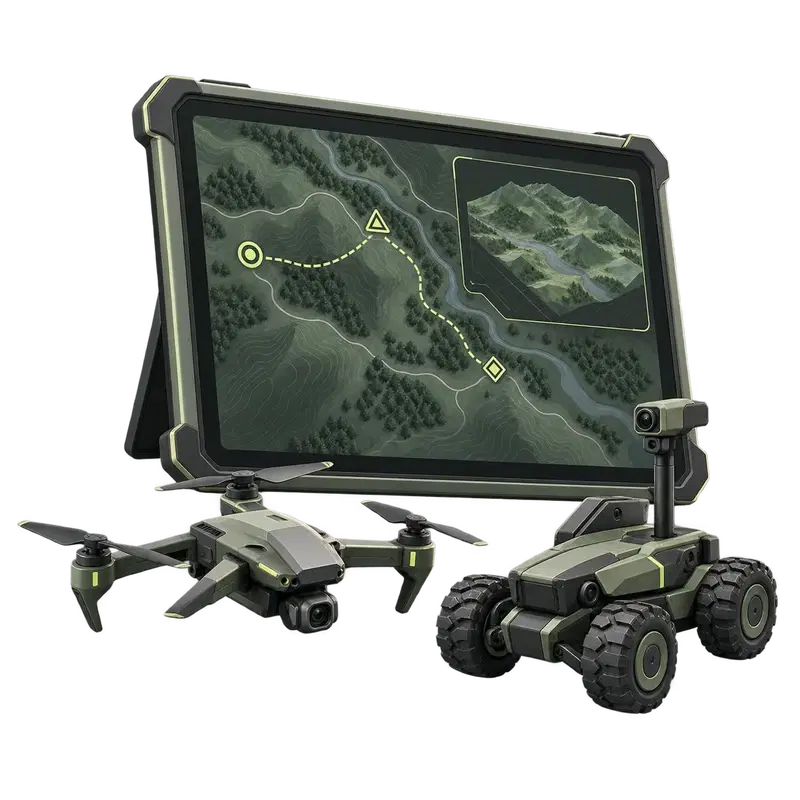
A 2D/3D common operational picture (COP) brings device locations, status, observations, and task progress together. Operators can spend less effort reconciling separate views and make decisions from shared context.
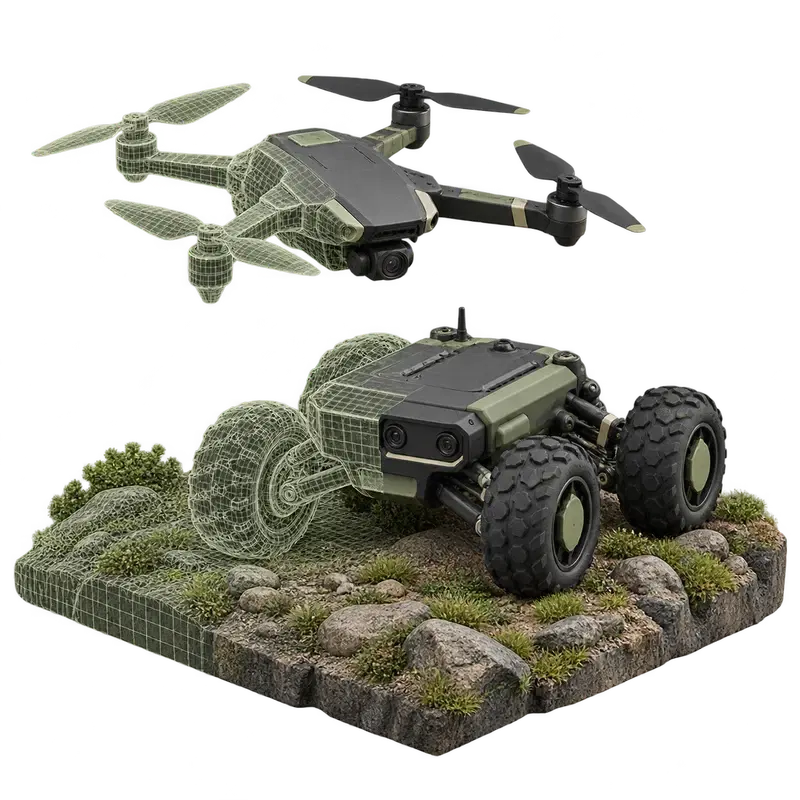
Rehearse task plans and device teamwork in the CoSpace simulation environment, then extend toward trials linking physical and virtual systems. This synthetic training environment (STE) approach helps teams examine roles and operating conditions before field use.
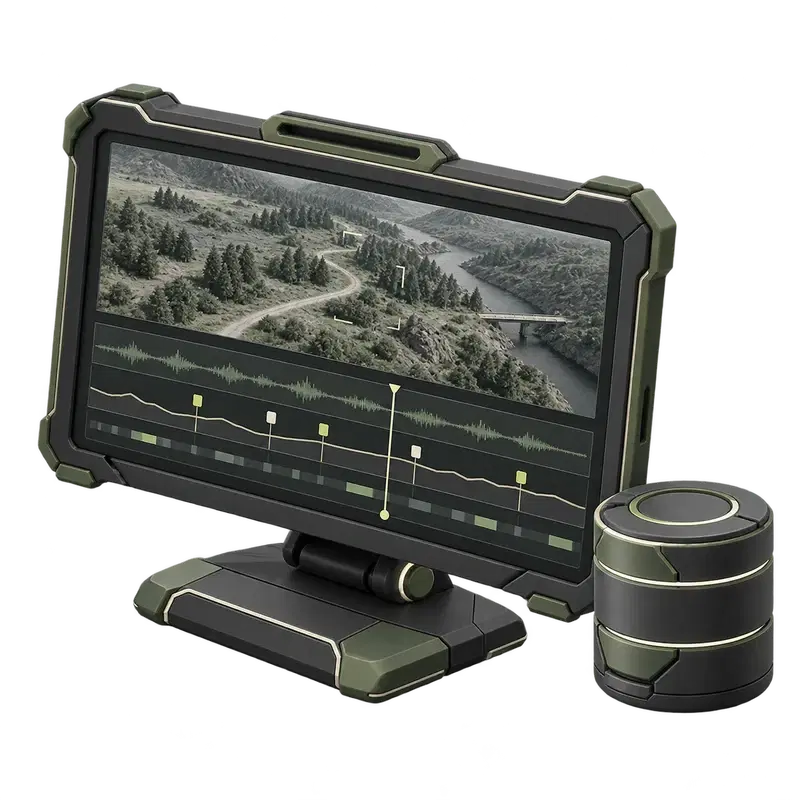
Review video, sensor data, events, and task history on a shared timeline. After-action review (AAR) compares plans with actual outcomes to improve the next training cycle and mission plan.
Build on existing device control and autonomy while connecting tasks across the team. Exchange relevant information with operational systems, and place services centrally or in the field to suit connectivity and local needs.
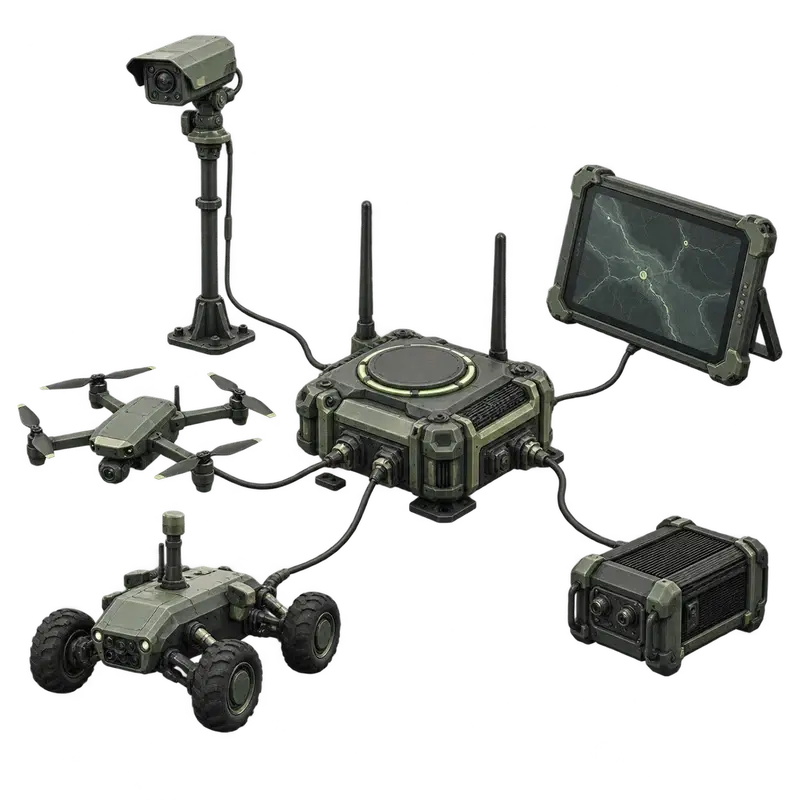
Device Adapters translate shared task requests into device commands and return status and results. This interoperability provides a foundation for testing new devices, tasks, and teaming approaches.
Information exchange with command and control (C2) systems is separate from device control. Integration partners agree on the systems, data, and access conditions needed for each operating environment.
Plan for denied, disrupted, intermittent, or limited-bandwidth (DDIL) conditions. Place functions centrally or in the field according to onboard capabilities and local processing needs.
Mission services request work in a shared format, regardless of device type. The diagram follows that request through device-specific commands and back to a reported result.
Request tasks and track progress through common rules
Translate between shared rules and device commands and data
Connect through the interfaces a device provides, such as ROS, MAVLink, or a manufacturer’s SDK/API.
When links are denied, disrupted, intermittent, or bandwidth-limited (DDIL), consider which functions belong in the field. Selected coordination and recording services can run on a field server.
Devices connect directly to central mission services, with device control and autonomy remaining onboard.
Place selected coordination or recording services on a field server while keeping a connection to central services.
Integration scope depends on device capabilities, available interfaces, and operating conditions.
CoForce is in development. Contact us to confirm current capabilities and whether a demonstration or test is available. We welcome discussions about application fit, device integration, and joint testing.
We assess the control interfaces, data interfaces, and autonomous functions available on each device. Integration requirements and any necessary changes are reviewed together.
No. The choice depends on connectivity and the functions needed in the field.
Compare deployments and connection-loss conditionsShare your objectives, device types and available interfaces, and operating environment. It is fine if some details are undecided; we can identify what to check first and define a joint test scope together.
We welcome defense teams, system integrators, and device developers to explore mission fit. Share your objectives, target devices, and operating environment to discuss integration and joint testing.
Outline the work, devices, and operating environment.
Check device interfaces and the capabilities currently available.
Agree on what to evaluate first, test conditions, and responsibilities.